June 20, 2025
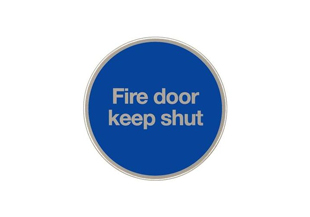
Fire Rated Door Hardware - What do you need?

Fire rated doors are an essential building safety tool. They help to contain fires, protect escape routes and give occupants time to evacuate. However, the effectiveness of a fire door goes beyond the construction of the door itself, the hardware used is just as crucial.
Essential Fire Door Hardware
To ensure performance, specific hardware must be installed on a fire rated door in compliance with fire safety regulations. The hardware is required to maintain the door’s fire-resisting properties during an emergency and prevent the spread of fire and smoke.Fire-Rated Hinges
Hinges are a critical aspect of the functionality of a fire doors. They must be robust enough to bear the weight of the fire door and maintain their integrity under intense heat. Fire-rated doors typically require a minimum of three steel hinges. These hinges are tested to withstand prolonged exposure to high temperatures without warping or breaking, ensuring the door remains secure for the duration of its fire resistance rating (usually 30, 60, or 120 minutes). Regular steel hinges that aren’t tested for fire resistance can compromise the door's performance, making certified fire-rated hinges mandatory.Intumescent Seals
Intumescent seals are essential for both fire and smoke control. Fitted around the edges of the fire door, these seals expand when exposed to heat, closing any gaps between the door and its frame. This creates a barrier that prevents flames, heat and smoke from passing through, protecting escape routes. Without these seals, a fire door cannot provide the necessary protection, as even small gaps can allow smoke and fire to breach the barrier.Fire Rated Locks
Like hinges, the locks and latches used on fire rated doors must also be certified to withstand high temperatures for a specified period. Locks must ensure that internal fire doors remain functional the the case of a fire, enabling occupants to exit without risking the integrity of the fire door. Additionally, latches must automatically engage when the door is closed, ensuring that the fire door stays secure, even in the absence of human intervention.Door Closers
Fire-rated door closers are mandatory to ensure that the door closes automatically after it is opened. This is critical because an open fire door is ineffective in stopping the spread of fire and smoke. Door closers are required for every internal fire door so that they close fully and securely every time, without needing to be shut manually. The use of door closers is particularly important in high-traffic areas, where doors may be inadvertently left ajar. Automatic closers ensure that the door always returns to a position where it can prevent the spread of fire. For pairs of self-closing doors, devices like door selectors ensure they close in the correct sequence for optimal safety.Optional Hardware
While certain hardware is mandatory for fire-rated doors, additional optional components can further enhance the door’s effectiveness and the safety of the building. These include:Vision Panels
Fire rated vision panels are small windows made from fire-resistant glass that can be fitted into fire doors. They are not a legal requirement but offer increased visibility, which can be especially useful in offices, schools or hospitals where seeing through doors is important for safety or workflow. If you need internal glazed fire doors, the glass used in the panels must be fire rated to ensure that it can withstand high temperatures without shattering, maintaining both safety and visibility.Panic Bars
While not mandatory for all fire rated doors, panic bars (also known as push bars or crash bars) are often required on fire exit doors to ensure quick and easy egress. Panic bars allow occupants to open doors with minimal effort by simply pushing against the bar. They are crucial in high-traffic environments where a rapid exit is needed. Panic bars can be particularly helpful when fire rated doors are used as part of an escape route, ensuring that they can be opened quickly and efficiently without the need to fiddle with locks or handles.Automatic Hold-Open Devices
In some environments, fire doors need to be held open for operational reasons, such as in hospitals or large offices. In these cases, an automatic hold-open device can be used. These devices keep the door open under normal conditions but release the door automatically at the sound of a fire alarm. They are an excellent way to ensure compliance without compromising functionality.Kick Plates and Handles
While these do not directly contribute to fire protection, kick plates and handles made from fire resistant materials can prolong the life of a fire door in areas with heavy traffic. These accessories protect the door from wear and tear, ensuring that it remains intact and functional for longer periods. While there are some mandatory hardware features of a fire rated door, there are also several optional elements of a fire door that can be customised to your unique needs and requirements without compromising on safety or functionality.
Recent Posts