Complete Guide to All Fire Classes in the UK
To reduce the spread of fire, it is important to ensure that the type of fire being handled is understood correctly. This complete guide explains the importance of understanding a fire class, the different classes and how to reduce the fire risk and spread of each class.
Why are fires classified?
A naked flame may not look different from one to the next, but there are multiple different types that require classification in the UK. This is because different types/classes of fire need to be treated differently. For example, an oil fire can be made worse by water, while others are easily put out by water.
Classifying fires is an essential tool in extinguishing them, and though that may be difficult, a general awareness can save lives.

What classes are there?
There are six classes of fire to be aware of:
Class A Fires
Class A fires tend to involve natural, organic material, which are sometimes referred to as combustible materials. This can be wood, plastic, paper, furniture, textiles and more.
These fires are the most common type of fire in the home and often spread quickly from one material from the next. Most places, including the home and the workplace have a large number of these materials so it is important to be aware of these materials as they can catch fire easily.
A Class A fire can be put out using most, but not all, fire extinguishers. If it is a smaller fire that is caught early a fire blanket may also be an acceptable way to put out these fires.
Class B Fires
Class B fires typically involve flammable liquids such as petrol, oils, turpentine, paint, ethanol and more. Legislation requires that the packaging of flammable liquids are marked with a warning symbol that is marked by a red diamond with a flame and includes the words 'flammable liquid', this helps you to know if a liquid is flammable or not.
This type of fire can be dangerous as the liquids take to flame incredibly easily and are fast to burn. A flame or spark doesn't even need to touch the liquid in order to start a fire, the vapour alone is enough to start a fire.
It is recommended that the volume of flammable liquids is kept to a minimum wherever possible and that anything that may start a fire is kept well away from these liquids. Water should not be used to put out a Class B fire, so only specific extinguishers should be used.
Class C Fires
Class C fires are caused by flammable gases. The symbol for flammable gasses is very similar to that that would be used to mark a flammable liquid, however, underneath it says 'flammable gas'.
Places that store gas and have quantities of flammable gas should ensure that they have effective methods of leak detection so help mitigate the risks of a potential fire.
Fires involving flammable gases are not just dangerous because of the fire itself, there is also an explosive atmosphere which makes a Class C fire so much more dangerous. The gasses should be stored safely and far away from sparks or flames.
Fires within this fire class should be extinguished using only a dry powder extinguisher.
Class D Fires
Class D fires are often called metal fires as they involve metallic materials, such as magnesium, aluminium, potassium and more.
Perhaps the more uncommon of the fire types, a Class D fire can ignite when flammable metals are exposed to heat or flames. These fires are most common in metalworks or industrial warehouses. Though not all metals are flammable, the ones that are should be kept away from fire.
These fires should be put out using dry powder extinguishers.
Electrical Fires
An electrical fire is not technically included in the classes of fire. However, electrical fires are common and often included with other classes to ensure fire safety around electrical equipment.
Electrical fires can be caused by a range of electricals including wires, cables, broken appliances, plug sockets and a range of devices.
Perhaps one of the more common types of fire, they can occur at home, in the workplace and in commercial premises. Electrical fires can be avoided if a faulty device is noticed and disposed of or repaired before it becomes a hazard.
These fires should not be extinguished using water, as it can conduct electricity and put people at risk. Instead, a dry powder extinguisher or a CO2 extinguisher should be used.
Class F Fires
A Class F fire is most likely to occur in the kitchen as they tend to involve fat, cooking oils and grease.
Most commonly, people will experience a fire such as this by leaving a pan unattended or by allowing a pan to get too hot. If there is a fire at a restaurant or a commercial kitchen, it was more than likely a Class F fire.
A simple way to stop these fires from occurring is making sure that when cooking oil is monitored to make sure that it doesn't reach too high of a temperature. If you are able to smell smoke in a kitchen, it is also a good idea to take things off of the heat.
Usually, a fire blanket is a good solution for these fires and can put it out before it grows into a large problem. Water should not be used as it often feeds the flame and makes the problem worse. Alternatively, a wet chemical extinguisher could be used.
What Fire Defences Do You Need?
With so many different classes of fire, it can be difficult to know what equipment you need in order to handle a fire safely. However, there are things that you can implement and have on hand to minimise the risk posed by fire.
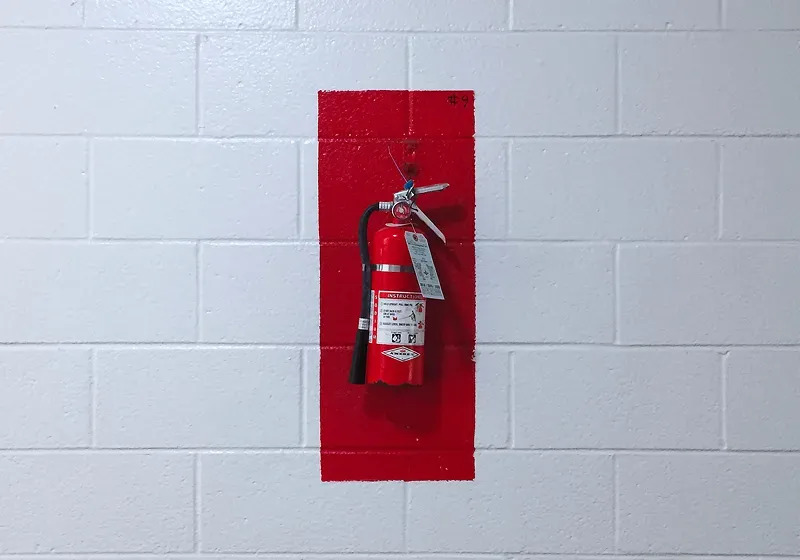
Fire extinguisher
Determining which fire extinguisher you need requires an analysis of what type of fire is most likely to affect you. Luckily, fire extinguishers state on the extinguisher what type of fire they can be used on.
- Class A Fires - Water extinguishers, water mist extinguishers, foam extinguishers and powder extinguishers
- Class B Fires - Water mist extinguishers, foam extinguishers, powder extinguishers, CO2 gas extinguishers and wet chemical extinguishers
- Class C Fires - Water mist extinguishers and powder extinguishers
- Class D Fires - Specialist powder extinguishers only
- Electrical Fires - Water mist extinguishers, powder extinguishers and CO2 extinguishers
- Class F Fires - Wet chemical extinguishers only

Fire Door
In the workplace especially, preventative measures relating to fire can prove to be effective. Simply having a fire door in your building can help slow fire if it has grown too large for individual handling. This can provide enough time to allow people to exit the building while emergency services arrive and also trap the fire in one location to prevent further damage to your premises.
Signage
Having all necessary signage on display to warn people of hazardous materials is essential. If you have products that present a hazard in your workplace, such as flammable liquids or flammable gases it is important that their storage containers clearly have the warning labels displayed.
It is also advisable to have additional signage clearly displayed on walls where there are hazards to ensure that people are careful in their day to day activities.