Guide to Fire Safety and Fire Prevention
Nobody expects a fire, but it is important to be prepared so that if the worst does happen, damage can be minimised and occupants can escape easily. There are many things that you can do to prepare, but it all starts with being aware of the risks and taking steps to minimise them.
Understanding Fire Risks and Hazards
Unfortunately, fire hazards are everywhere within both your home and probably your workplace. It may seem that by avoiding smoking and bonfires you're doing all you can to prevent a fire, but even cooking and use of regular electrical devices can also present a fire risk.
It is considerably easier to avoid an emergency situation than be in one so being aware of the risks and doing your best to mitigate them is incredibly important.
Identifying Potential Fire Hazards
There are fire hazards everywhere, both in the workplace and the home, and identifying them can make all the difference. Obvious things, such as ensuring the safe handling of open fires, monitoring of food while cooking and the use of safe building materials are key, but there are also other things that you can do.
You may for example have noticed the PAT testing (Portable Application Testing) electrician visit your workplace or if you're in rented accommodation, your home. The electrician can ensure that your devices and their respective plugs and chargers are safe for use and do not present an immediate fire risk. Electrical faults and malfunctions are one of the leading causes of fires - so it is important to prevent these risks where possible.
It is important to be aware of the risks around you, this helps you notice when something may present a hazard and ultimately, mitigate that risk.
Fire Prevention
Fire Rated Doors
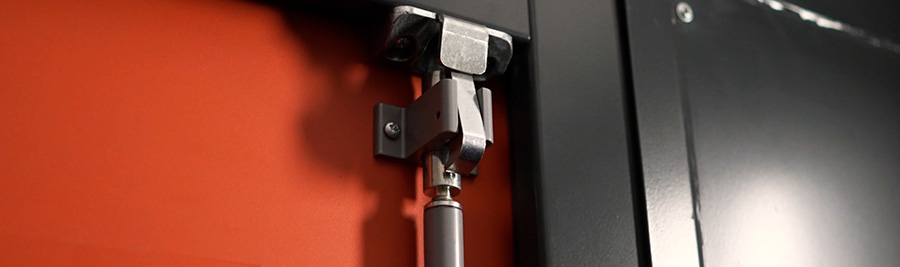
Fire rated doors are an easy way to prevent fire. They create an effective barrier that helps to prevent the spread of fires, which in the case of a fire, provides the much needed time to exit a building safely.
Types of Fire Rated Door
There are several ratings to a fire rated door, including FD30, FD60 and FD120. The number following the FD code indicates the length of time that the door can hold back fire for. For example, an FD30 door can provide 30 minutes of fire resistance and are suitable for most residential or office spaces.
An FD60 door provides 60 minutes of fire resistance and therefore are better for places that are high risk for fire and need a little more protection. While an FD120 door is made from the highest quality materials and can provide 120 minutes of protection, this means that they are suitable for industrial premises or areas that require maximum levels of fire protection.
Fire Alarms
A fire alarm system is almost almost mandatory by law in the workplace, if you're a landlord renting out to tenants and in the home. In the home, they provide an excellent warning of fire if people are sleeping or in another room when a fire has broken out, allowing people the crucial time needed to ensure that everyone can safely exit the building.
In the workplace they are equally important for this reason. Especially in what might be high rise office blocks where people may not notice a fire if it is not on their floor. Even in smaller office buildings, alarms perform a life saving alerting function that allows employees to get to safety quickly.
There are different types of fire alarms, including smoke detectors, heat detectors and manual 'break glass' alarms. Commonly, smoke or heat detectors are likely to be found within the home, while manual alarms are far more likely to be found in commercial settings.
Suppression Systems
You will likely have seen sprinkler systems while out and about, these are a common fire suppression system. There are other systems such as gas and foam suppression systems which are also great for suppressing a fire.
Naturally, the most important thing in the case of a fire is to make sure that all people get safely out of the building. A fire suppression system can help to extinguish or suppress fires and help to reduce the damage to the building and the risk to life that is caused by a fire.
Safety Equipment
Fire Extinguishers and Blankets
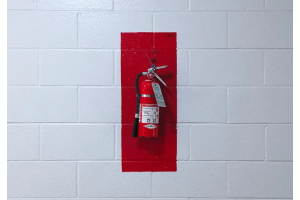
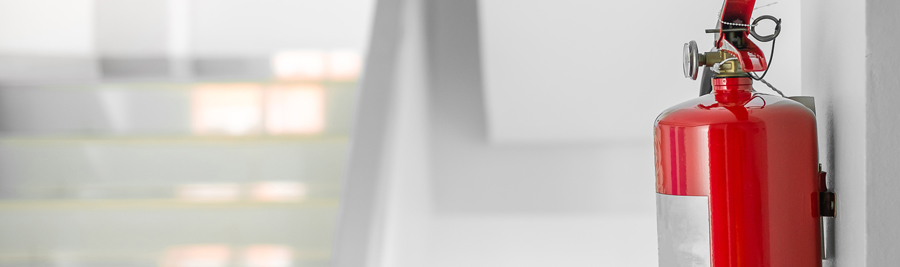
The most commonly found piece of fire safety equipment is probably a fire extinguisher or a fire blanket. A fire safety risk assessment will often highlight suggestions such as having a fire extinguisher to hand, especially in higher risk areas such as kitchens or stairways for workspaces.
You may not have a fire extinguisher in your home (unless you're in rented accommodation and your landlords risk assessment has suggested it), but a fire safety blanket is always good - especially in the kitchen.
It's also worth checking that if you do have a fire extinguisher, that it is in date. They are not everlasting as many people like to assume.
Emergency Lighting
It is always good to be prepared for a fire. In the case of large volumes of smoke or a power failure, it can be good to have extra bright emergency lighting. Illuminated emergency exit signs can also be a benefit to make exits easily visible.
Fire Safety Signage
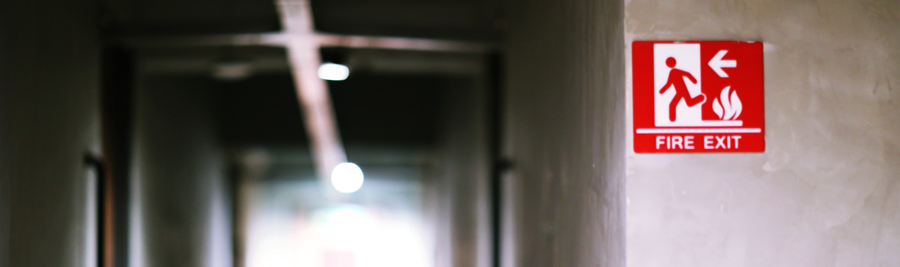
Especially important for businesses, fire safety signage can help to let people know where to find an emergency exit. These can be signs that show the directions to the exit door in a large building, but should also be noted on the door itself.
If you're getting new doors fitted and know that one of them is going to be a fire exit external door - even if they are security doors that will double up as fire exit doors - it is important to have this noted on the exit so that people can easily evacuate.
Choosing the Right Fire Doors
There are several factors that should be considered when selecting a fire rated door. These could be:
- The fire rating and how much fire protection you realistically need
- If you also need your fire door to function as a security door to offer your premises additional protection
- The materials that your door is constructed from
- Aesthetic requirements for your home or workplace and any necessary signage that will be required
- Commercial buildings will have different fire safety requirements to a home, so choosing a door that meets each unique requirement is important
Public buildings will also need to measure accessibility as a requirement into their new fire rated door as they have a duty of care to all members of the public
There are many things that you can do to measure the fire defences that you have in place. No matter where you are or what precautions you take, fire is always a possibility, and making sure that you are prepared for the worst is always advisable.