Differences between a Steel Door and a Composite, Timber or uPVC Door
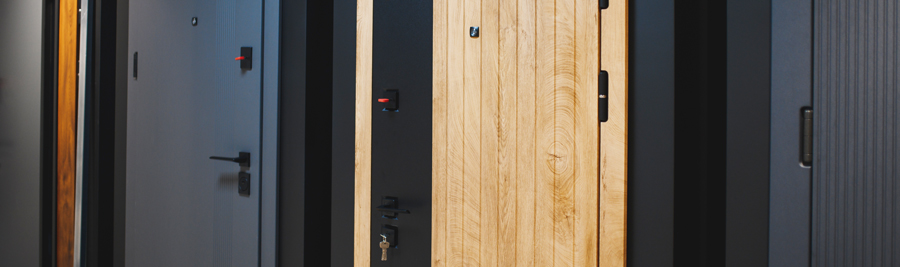
When choosing a door for your business, it can be difficult to know what kind of door you should choose. Especially when there's security considerations, regulations, aesthetics, maintenance, and cost to keep in mind when making a decision. It's important that you're able to understand the different kinds of doors on offer in the market and their pros and cons so you can make an informed decision.
| Door Type | Weight | Security | Maintenance | Weather/Rot Resistance | Cost |
| Composite Door | Mid-weight | Semi-secure | Low | Resistant to weather | Midly Expensive |
| Timber Door | Heavy | Secure | High | Not Resistant | Expensive |
| uPVC Door | Lightweight | Insecure | Low | Resistant to Rot | Inexpensive |
| Steel Door | Heavy | Extremely secure | Moderate | Resistant to Rot & weather | Expensive |
Composite doors
Composite doors are made from a combination of wood, PVC, insulating foam and other materials. These doors are typically found in residential properties as they are quite versatile and can be highly customised to fit the overall aesthetics of your business or home. Homeowners often like these doors as they are weather-resistant, have great durability and can offer decent security for a home.
Benefits of composite doors
A composite door offers great benefits for a business or home, including:
- Security: Constructed from a combination of materials, composite doors are fairly secure.
- Durability: Resistant to weather, warping, and cracking, ensuring long-lasting performance.
- Aesthetics: Available in a variety of styles and finishes, often designed to mimic the look of timber.
- Insulation: Excellent thermal and sound insulation properties.
- Low Maintenance: Do not require regular painting or varnishing.
Detriments of composite doors
Although a composite door has a number of benefits, as with most things, it has its cons too, such as:
- Cost: Composite doors are generally more expensive than uPVC doors and sometimes more than timber doors.
- Weight: Heavier than uPVC, but generally not as heavy as steel.
Timber or wooden doors
Timber doors are a timeless classic, which is why they've been used as doors across businesses and homes for years. Typically manufactured from high-quality wood, they're known for their insulating properties and can help a house retain heat and keep out noise. Timber doors require proper maintenance and care in order to be durable and last on your property. They're well known to be suitable for a family home or a business.
Benefits of timber doors
Timber doors have a number of benefits including:
- Security: Offer a secure premises when compared to a Composite door or a uPVC door.
- Aesthetics: Provide a natural look and are very customisable as they can be manufactured with various types of wood and finishes.
- Insulation: Offer good thermal and sound insulation.
Detriments of timber doors
Whilst timber doors are a common choice of door in the UK and elsewhere, it has its detriments, such as:
- High Maintenance: Require regular upkeep, including painting or varnishing, to protect against weather and pests.
- Durability: Can be prone to warping, swelling, and rot if not properly maintained.
- Cost: High-quality timber doors can be quite expensive.
- Weight: Can be quite heavy, making them more challenging to install than their uPVC counterparts.
uPVC Doors
uPVC doors, also called PVCu doors, are an affordable option for external doors. Manufactured from un-plasticised polyvinyl chloride, they are a common choice throughout the UK, particularly for back doors as they don't warp in the rain and require very minimal maintenance. Most uPVC doors are internally glazed, meaning that the glass panels are installed on the inside of the door, making it more difficult for intruders to remove the glass from the outside, enhancing their security.
Benefits of uPVC doors
uPVC doors have a number of benefits, such as:
- Cost: Generally the most affordable option.
- Low Maintenance: Resistant to rot and rust, requiring minimal upkeep.
- Insulation: Provide good thermal insulation.
- Weight: Lightweight, making them easy to install.
Detriments of uPVC doors:
Whilst uPVC doors are a common and affordable choice of door in the UK and elsewhere, it has its detriments, such as:
- Security: Not nearly as robust as a steel security door.
- Aesthetics: Lacks the premium look of timber, composite, and some steel security doors.
- Durability: Less durable than steel and composite doors; can be prone to cracking or discolouration over time.
Steel doors
Steel doors are a much less common option of door in the UK, in spite of their sturdiness and robust nature. Steel security doors are particularly good for a business or a house concerned with their security. Our CE-marked steel security doors are manufactured from the highest quality steel and incorporate a multi-point locking system (9-12 points) in order to make sure that your home or business is secure.
Benefits of steel doors
Steel security doors have a number of benefits and security features, such as:
- Security: Steel doors offer exceptional strength and resistance to break-ins, making them ideal for high-security needs. Check out our Steel Security Doors, made with anti-jemmy hinges for enhanced safety.
- Durability: Steel security doors are highly durable, capable of withstanding severe weather conditions, fire, and impact damage.
- Low Maintenance: Generally require less maintenance compared to timber doors.
- Fire Resistance: Often provide better fire resistance than other types of doors. We also carry Fire Rated Steel Security Doors.
Detriments of steel security doors
Steel security doors, just as any other door, have a few detriments, such as:
- Aesthetics: May lack the visual appeal of timber or composite doors. Although this can be mitigated with a powder coated 6-panel door.
- Weight: Heavier than most types of doors in order to improve security, which can make installation more challenging. We install for you to mitigate this detriment.
- Cost: Often the most expensive kind of door.
No matter what kind of door you choose, it's important to have a good understanding of what you need and the best door for your environment. Please get in touch if you have any questions about our security doors.