Understanding Door Interiors
We offer a vast range of different doors, and they can be filled with different materials depending on the function of the door. Understanding what and why a door is filled with a certain material can help you to understand which door is right for you.
Rock Wool VS Honeycomb Cardboard
When it comes to safety in building design, doors play a crucial role - no matter if that's through steel security doors that can prevent intruders, or a fire rated door that can allow occupants to escape in the case of a fire.
Interestingly, the material that is used within these doors can significantly impact their performance. Security doors and fire rated doors are constructed with different internal materials that help them to meet distinct safety standards. A security door will often use rock wool or mineral wool, while a fire rated door will typically use honeycomb cardboard.
Steel Security Doors
Security doors are designed primarily to prevent unauthorised access and safeguard against forced entry. To achieve this, our security doors are filled with rock wool or mineral wool. There are several reasons why:
Insulation
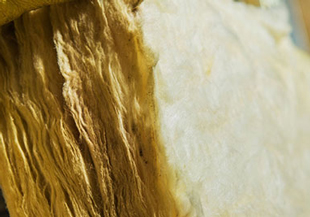
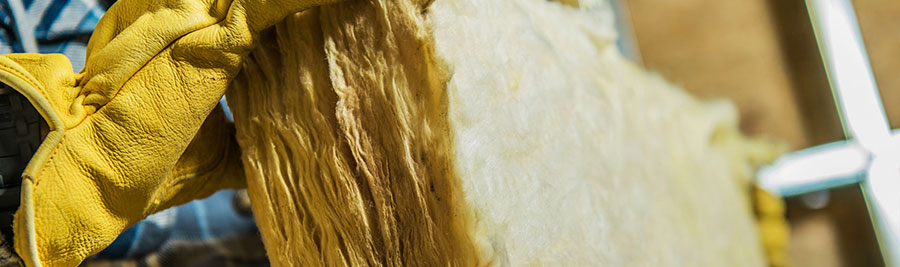
Rock wool and mineral wool are known for their exceptional insulation qualities. The wool is composed of stone or slag fibres that are spun into a dense woollen form. The density is what provides robust sound insulation, helping to reduce noise transfer from one side of a door to another.
Sound insulation can be incredibly useful for steel doors used for security in areas with a high level of traffic or spaces where privacy is important. Additionally, the insulation helps to maintain a consistent indoor temperature - just because your area is secure, doesn't mean it needs to be uncomfortable.
Fire Resistance
While security doors are not specifically designed to provide fire protection, the addition of rock wool or mineral wool adds a valuable fire resistant quality. Both materials are naturally non-combustible and can temporarily withstand high temperatures without burning or melting. Though not as effective as fire doors, they can act as a buffer and slightly slow the spread of fire. This resistance can be a critical safety advantage in emergency situations.
Weight and Density
Security doors are generally heavier and more dense than a regular door. Rock wool and mineral wool help to contribute to this additional weight. The heavier the door, the harder it will be to force open which is an essential feature for preventing unauthorised entry.
The rock and mineral wool's density also makes a door more robust and resilient against physical attacks. In combination with the resilient door leaf and structure, the added weight has been proven to enhance the doors ability to function as a security barrier.
Fire Rated Doors
Our range of fire rated doors are often used as internal fire doors with the aim of prioritising fire protection. The inside of a fire rated door is made up of honeycomb cardboard, which we understand might seem surprising at first glance, as cardboard might not be the first thing to jump to when thinking about fire protection. However, honeycomb cardboard has unique structural qualities that make it ideal for use within fire rated doors.
Lightweight
The structure of the cardboard used within a fire door takes the form of a hexagonal, honeycomb pattern that provides structural strength without excessive additional weight. A key quality of a fire rated door is that they need to be easy to operate, especially in the case of an emergency, which makes the weight of the door a crucial consideration.
Despite being light, the honeycomb structure can contribute to fire resistance when paired with fire rated outer layers. The structure of the cardboard within the steel is used to create air pockets that slow down heat transfer for a specific duration of time. Our fire rated doors have undergone rigorous testing to ensure that they are able to withstand fire for a period of 120 minutes.
Structural Integrity
The honeycomb structure of the cardboard offers a surprising level of strength and rigidity which prevents the door from warping or sagging over time. When it comes to maintaining the fire rating of your door, this rigidity is essential as any distortion could compromise the way that the door functions. Fire rated doors are designed to retain their shape, even under high temperatures, to allow them to form a tight seal and prevent the spread of fire and smoke.
Installation
Something that is often not considered when people purchase new doors is their weight. As honeycomb cardboard is more lightweight in nature it makes them far easier to install and handle than a door that is filled with mineral wool. Though still heavier than standard doors, a fire rated door can be easier to install than steel security doors are. If multiple doors are being installed in a large scale project this can be a godsend. Another benefit is that over time, the door will put less strain onto the frame and hinges, meaning that there should be less need for maintenance.
Functional Differences
Ultimately, the difference in the core material of each door reflects the unique function that they serve. Security doors prioritise physical security, so they benefit from the density and weight provided by rock wool or mineral wool. In contrast, fire rated doors are engineered for fire containment, so they provide a lightweight yet effective barrier against fire and smoke.
Both wool and honeycomb cardboard serve their unique purposes exceptionally well and make sure that their respective doors meet the safety standards that they were designed to meet. The difference of interior highlights the importance of choosing the right door for your intended purpose.