How do I choose the hinge side and opening direction?

Deciding which way your door swings is an important part of installing a door.
Whether you're installing interior doors or exterior doors, it's important to think about which way the door swings. You don't want to be opening a door and have it hit a piece of furniture or run into the wall when it shouldn't be.
Left-Handed Door vs Right-Handed Door
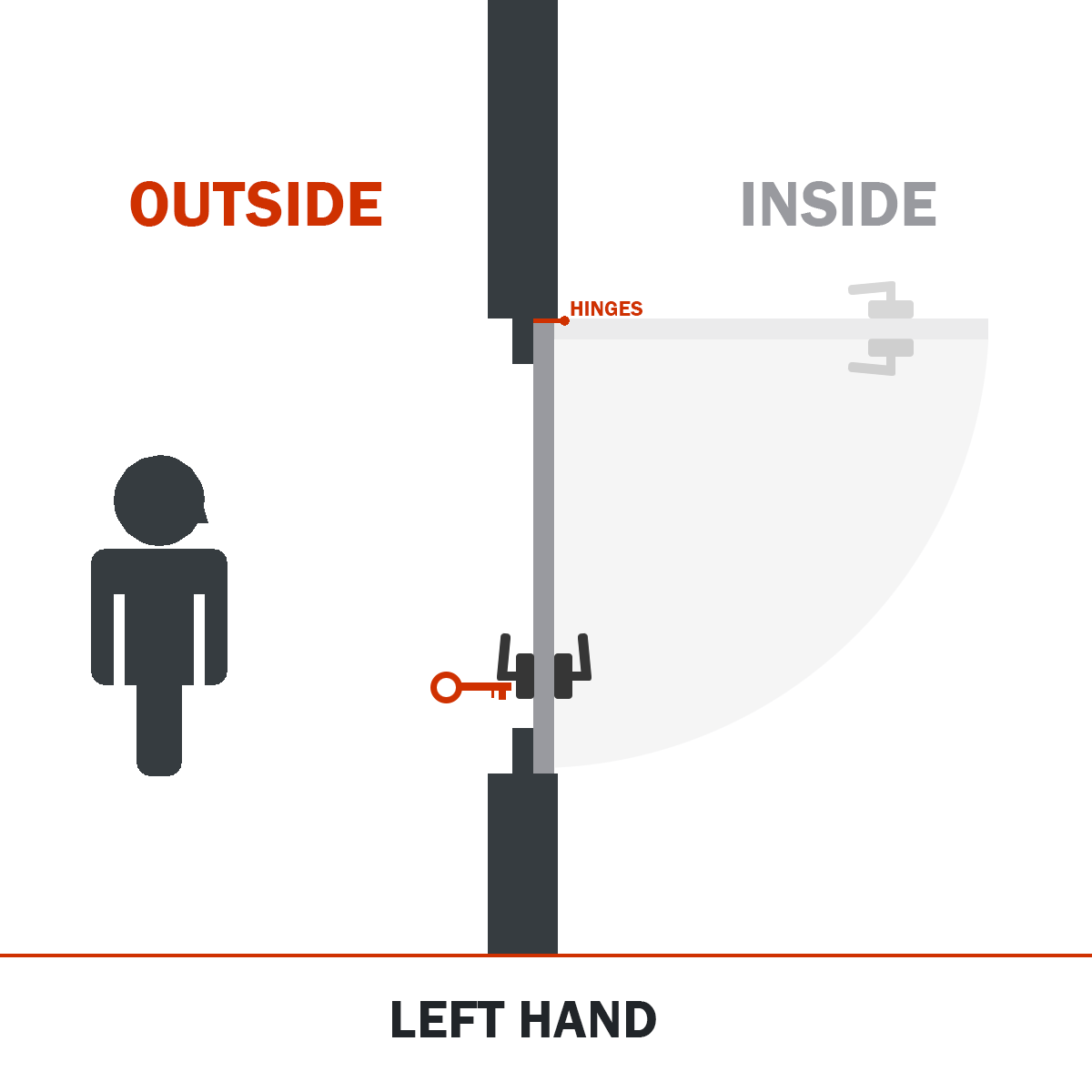
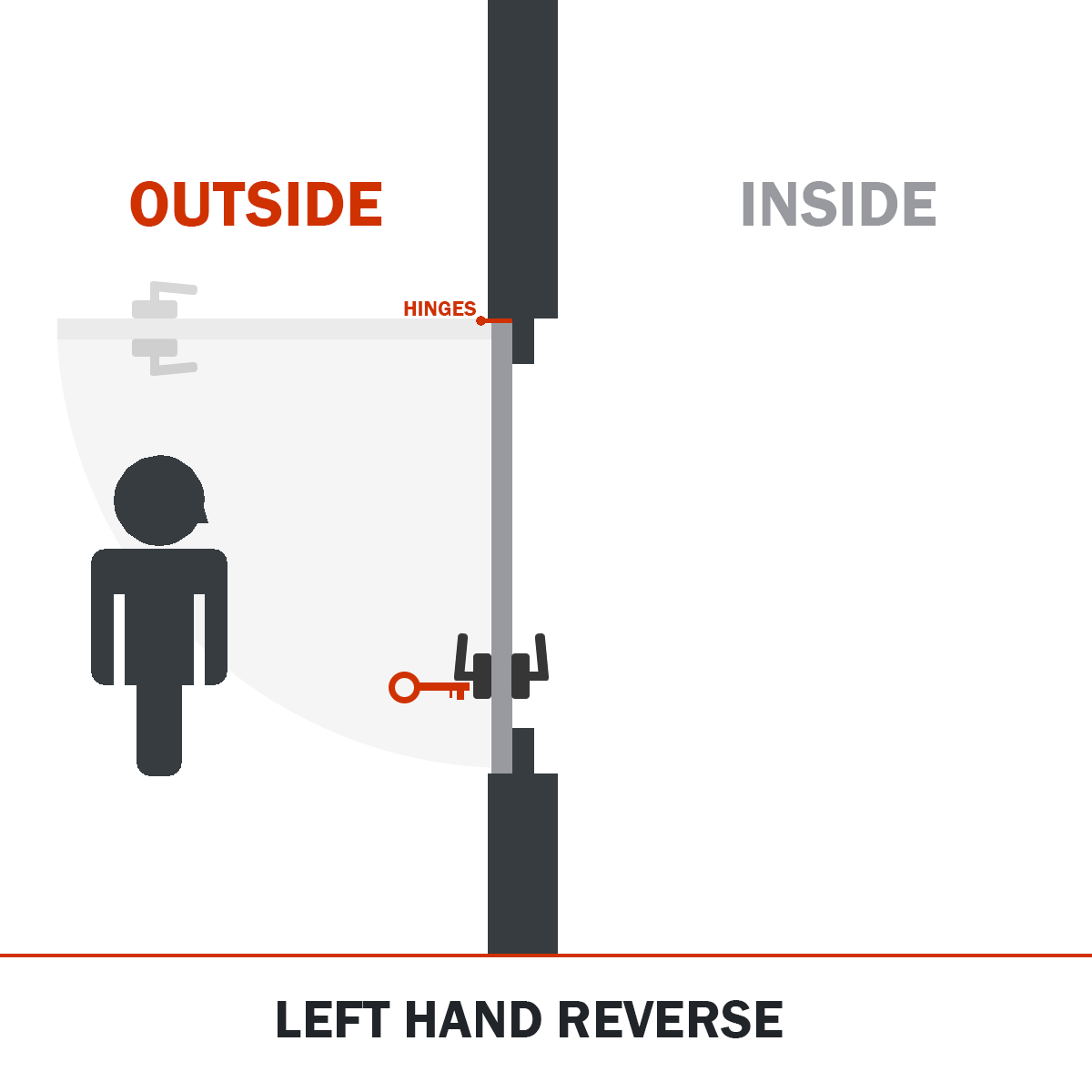
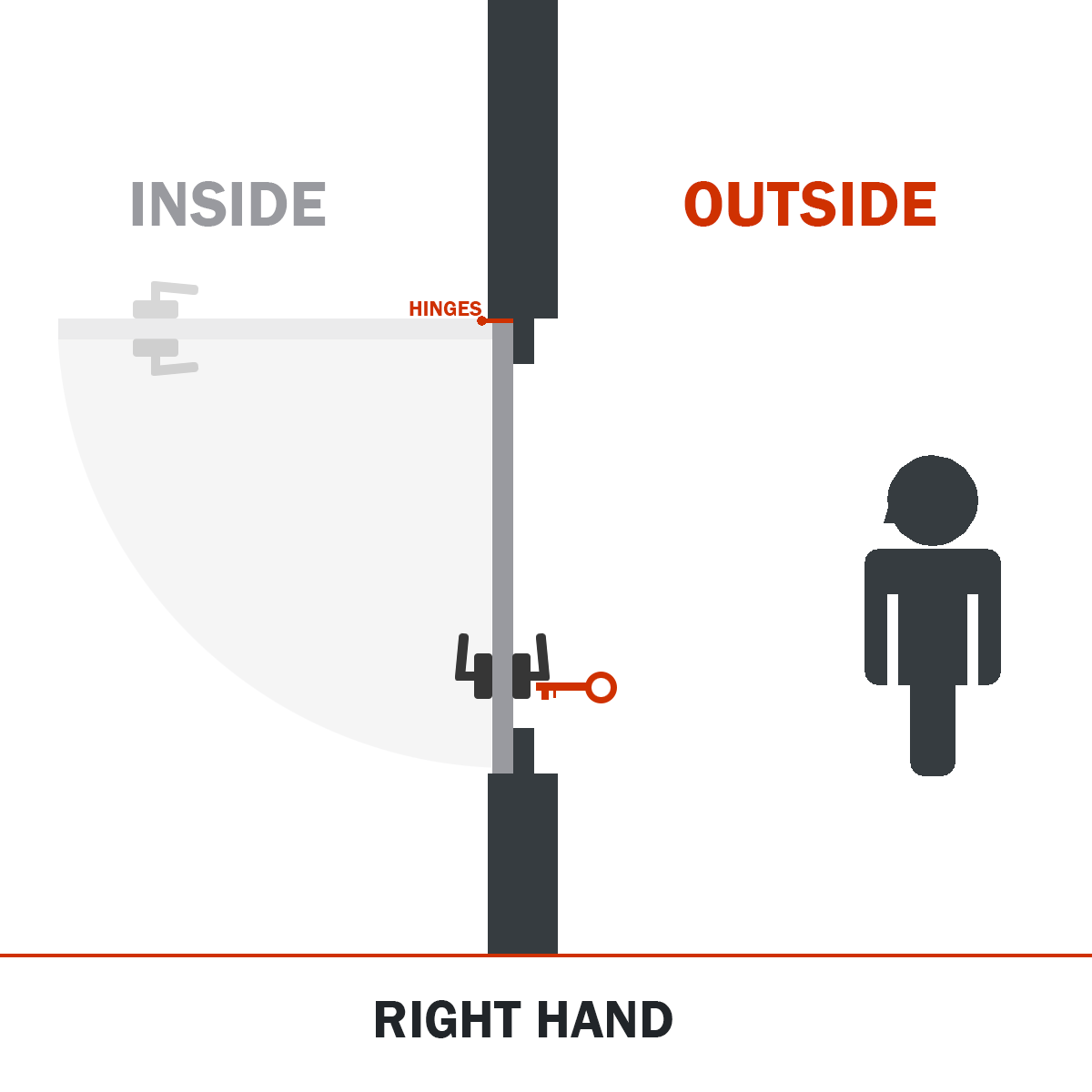
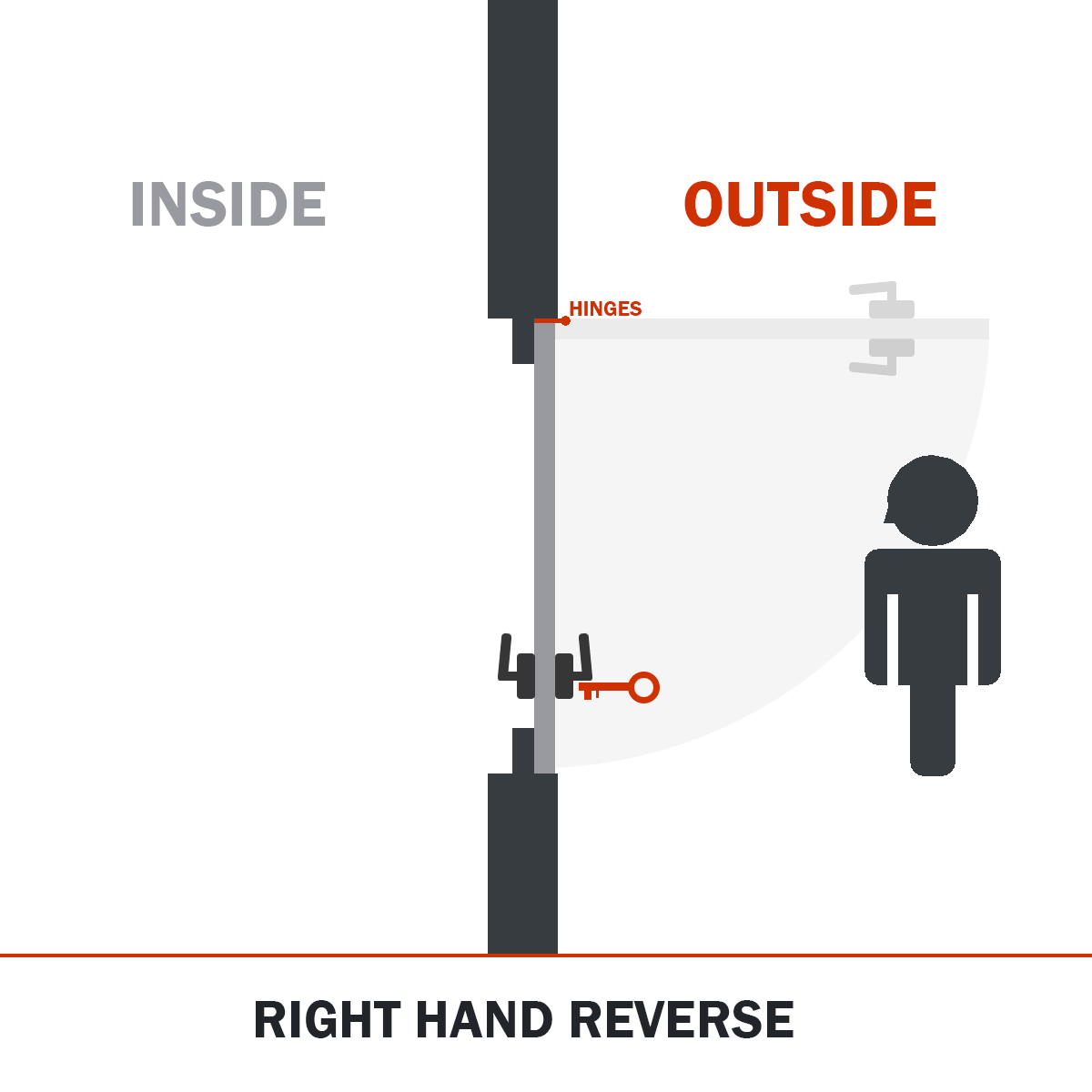
Before we establish how to determine the door swing, it's important to understand the basics of what makes a left-handed door or a right-handed door. 'Right-hand door' and 'left-hand door' refer to the direction of the door swing in relation to where a person standing outside the room or building is. The handing is applicable to both an interior door and an exterior door. You determine door handing by:
Left-hand door
When standing outside the room, if the door hinges are on the left side of the door and the door swings toward you, the door is left-handed.
However, you can also have a left-hand outswing door, where the hinges are on the left side of the door jamb and the door swings away from you.
Right-hand door
When standing outside the room, if the door hinges are on the right side of the door and the door opens toward you, it's a right-hand door.
Similarly to the left-hand door, you can also have a right-hand outswing door, where the hinges are on the right side of the door jamb and the door swings away from you.
Inswing or Outswing?
A swing door will either swing inward into a room when it's opened or it will swing outward away from the room. Inswing or outswing refers to that direction. An inward swinging door is called an 'inswing' door, whereas an outward swinging door is called an 'outswing' door.
Determining which way you'd like the door to swing is dependent on a few different factors, such as:
- Space Constraints: If your home is limited in space, with a narrow hallway or closet, it may be preferable to change the swing of the door handing in order to take advantage of the space within the room.
- Accessibility: Exterior doors typically swing outward in order to comply with building codes on accessibility. Outswinging exterior doors make it easier for people who require a mobility aid, such as a wheelchair or walker, to enter the building.
- Weather: In areas that can have extreme weather, it may be preferable to have an exterior door swing outward in order to prevent rain or debris from entering the premises.
- Security: In order to improve security, businesses and individuals may prefer to have an outswing door so that the door hinges are on the interior of the building, making it more difficult to force entry from the outside.

How to choose the door handing
Choosing the door handing is important so that you can ensure that you don't run into any issues in the everyday use of your door. Here's how you determine door handing for any door in a building, including a front door or bedroom door.
Look at the layout
Understanding the room where the door will be installed will help you determine where the door swing will go. Be aware of walls, obstacles, and the furniture intention in the room that may impact where the door opens.
Review building codes
This is especially important if you're installing your door in a public or commercial building. Check with your local council to see if there are any specific requirements, regulations, or codes that would impact the door swing direction.
Think safely
Being aware of safety factors, such as pinch points or hazards, can impact where your door swings. Ensure that the hinge side and opening swing direction will minimise the risk of accidents and injuries.
Talk to us
If you're unsure about whether you should have your door hinges on the left or right hand side and don't know where the swing direction should be, reach out to us and we can provide expert advice on your specific needs.